
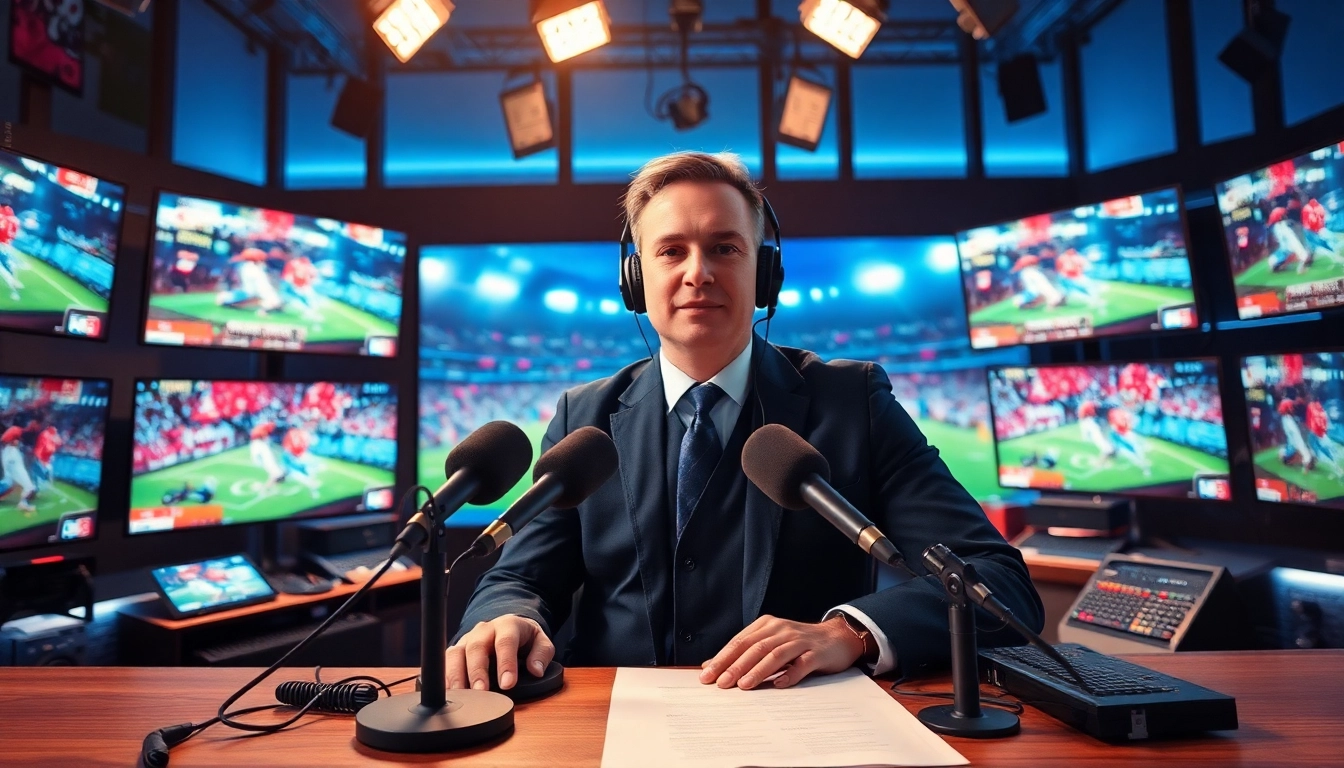
Understanding the Fundamentals of Sports Broadcasting
What is Sports Broadcasting?
Sports Broadcasting refers to the live telecast or radio transmission of sporting events to an audience. This medium serves as a bridge connecting fans to their favorite sports, allowing them to experience the action in real-time from the comfort of their homes or on the go. The scope of Sports Broadcasting encompasses various forms of media, including television, radio, and digital streaming platforms, each offering unique methods for delivering live events, highlights, and analysis. The integration of technology and storytelling in this field creates an immersive viewing experience.
Key Roles in Sports Broadcasting
Understanding the different roles within sports broadcasting is essential for grasping how the industry functions as a whole. Here are some of the key positions:
- Sports Commentators: These individuals provide live commentary during games, offering play-by-play analysis that enhances viewer engagement.
- Analysts: Usually former athletes or coaches, analysts break down plays, strategies, and player performances, adding depth to the broadcast.
- Producers: Responsible for the overall direction of the broadcast, producers coordinate between teams, manage content, and make critical decisions regarding what viewers will see.
- Cameramen and Technicians: These professionals ensure the broadcast is visually engaging by capturing high-quality footage and managing the technical aspects of production.
- Network Executives: They oversee the rationale behind scheduling, marketing, and revenue generation from the broadcasts.
Essential Equipment and Technology
Advanced technology is integral to delivering high-quality sports broadcasts. Key pieces of equipment include:
- Cameras: Multiple high-definition cameras are utilized to capture various angles of the action, including specialized cameras like slow-motion and aerial drones.
- Microphones: Good sound quality is vital; hence, specialized microphones capture commentator and ambient sounds without distortion.
- Switchers and Mixers: These devices enable producers to switch between camera feeds seamlessly and mix audio inputs for optimal viewer experience.
- Broadcast Software: Programs for production management, graphics overlays, and real-time data display enhance the storytelling aspect of sports broadcasts.
- Streaming Technology: This includes software and hardware that facilitate live streams, allowing audiences to view broadcasts on various devices.
Creating Compelling Content in Sports Broadcasting
Storytelling Techniques in Sports Broadcasting
Successful sports broadcasting isn’t just about reporting what’s happening; it’s about crafting narratives that resonate with audiences. Techniques include:
- Character Development: Focusing on players’ personal stories gives fans a connection beyond the sport.
- Contextualization: Providing background on players’ past performances and rivalries builds anticipation and excitement.
- Dramatic Tension: Highlighting the stakes of a game through well-placed commentary can keep the audience invested.
Interviews and Their Impact
Interviews with players, coaches, and other stakeholders add depth to broadcasts. They provide insights into strategies and emotions that shape the game. Effective interviewing techniques include:
- Pre-Game Insights: Gathering thoughts before the match can set the stage for what viewers can expect.
- Post-Game Reflections: Capturing raw emotions after a game can create powerful moments that resonate with audiences.
- Using Social Media: Engaging with audiences before and after interviews can amplify reach and relevance.
Utilizing Social Media for Audience Engagement
Social media has transformed how broadcasters connect with viewers. Best practices include:
- Live Updates: Posting real-time updates during events keeps fans involved and encourages them to discuss the broadcast.
- Behind-the-Scenes Content: Providing insights into the production process or player preparations can create additional layers of engagement.
- Polls and Q&A: Engaging audiences through interactive content fosters a community around sports broadcasts.
Best Practices for Live Sports Broadcasting
Preparing for Live Events
Successful live broadcasts hinge on thorough preparation. Key steps include:
- Research: Studying teams, players, and recent performances provides context for the broadcast.
- Technical Rehearsal: Conducting rehearsals ensures all technical aspects work flawlessly on the broadcast day.
- Line Strategy: Planning the commentary lines helps in making the flow of information smooth during the event.
Managing On-Air Challenges
Live broadcasting involves challenges that can arise unexpectedly. Effective management strategies include:
- Staying Calm: Presenters must remain composed and provide reliable information, even when unexpected technical issues occur.
- Backup Systems: Implementing alternative broadcasting systems to ensure continuity is crucial.
- Improvisation: Developing the skill to adjust commentary in real-time can help bridge gaps during lulls.
Real-Time Analytics and Adaptation
Utilizing real-time data analysis can enrich broadcasts significantly. Key considerations include:
- Performance Statistics: Integrating statistics dynamically during broadcasts keeps viewers informed about game progress.
- Audience Interaction Analytics: Monitoring viewer interactions allows broadcasters to adapt content dynamically.
- Feedback Mechanisms: Encouraging real-time viewer feedback can provide direct insights into viewer preferences and expectations.
The Future of Sports Broadcasting
Emerging Technologies in Sports Broadcasting
The sports broadcasting landscape is changing rapidly, driven by technological advancements. Innovations include:
- Artificial Intelligence: AI can analyze game footage, providing insights that enhance commentary and analytics.
- 5G Technology: The rollout of 5G promises faster streaming and higher quality broadcasts.
- Cloud-Based Broadcasting: Cloud technology can facilitate remote production setups, reducing costs and increasing flexibility.
Changing Viewer Expectations
As technology evolves, so do viewer expectations. Today’s audiences demand:
- High-Quality Streaming: Viewers expect flawless HD and 4K streaming experiences.
- Interactive Content: Audiences want to engage with broadcasts through social media and real-time polls.
- Comprehensive Coverage: Fans desire in-depth analyses, pre- and post-game content, and diverse perspectives.
Integration of Virtual Reality and Augmented Reality
Virtual and augmented reality offer exciting avenues for sports broadcasting. Potential applications include:
- Virtual Experiences: Fans can attend games virtually, experiencing the action as though they are in the crowd.
- Enhanced Replays: AR can provide in-game overlays during replays, allowing viewers to see key stats and player movements dynamically.
- Interactive Storytelling: These technologies enable viewers to explore different narratives within the game from unique perspectives.
Measuring Success in Sports Broadcasting
Key Performance Indicators (KPIs) to Watch
Measuring the success of sports broadcasting involves numerous KPIs. Essential metrics include:
- Viewership Ratings: Tracking how many people watch broadcasts is crucial for assessing popularity and reach.
- Engagement Rates: Measuring social media interactions provides insight into audience involvement and sentiment.
- Advertising Revenue: Revenue generated from advertisements speaks to the financial success of the broadcast.
Understanding Audience Feedback
Incorporating audience feedback is vital for continuous improvement. Strategies include:
- Surveys: Regularly conduct surveys to gather viewer opinions on broadcast quality and content.
- Social Listening: Monitoring social media channels for viewer comments can yield insights into perception and preferences.
- Focus Groups: Engaging with small groups of viewers can provide deeper insights into specific aspects of broadcasts.
Improving Content Based on Data Analysis
Using data analytics can drive content improvement by identifying successful themes and storylines. Consider the following approaches:
- Content Performance Analysis: Assessing which segments attract the most viewers can inform future programming decisions.
- Tuning Content to Viewer Preferences: Adjusting commentary style and topics based on viewer engagement levels can enhance satisfaction.
- Experimentation: Testing new segments or styles based on audience feedback fosters innovative content creation.
Frequently Asked Questions
What qualifications do I need to work in sports broadcasting?
A degree in communication, journalism, or broadcasting is beneficial, along with experience and networking in the industry.
How has technology changed sports broadcasting?
Advancements in streaming services, AI, and 4K broadcasts have transformed viewer experiences and accessibility.
What are some common challenges in live sports broadcasting?
Technical malfunctions, unexpected events during games, and managing audience engagement can be significant challenges.
How can I improve my sports commentary skills?
Practice consistently, study successful commentators, and seek feedback to enhance your delivery and analysis.
What role does social media play in sports broadcasting?
Social media enhances viewer engagement, provides real-time updates, and serves as a platform for audience interaction.