Understanding Wärmepumpe im Altbau: Efficiency Explained
As homeowners increasingly seek sustainable and cost-effective heating solutions, the wärmepumpe im altbau emerges as a popular choice for upgrading older homes. This transition not only enhances energy efficiency but also contributes to reducing carbon footprints, a vital necessity in today’s climate-conscious world. However, the implementation of heat pumps in older structures involves unique challenges and considerations. This article delves into what a Wärmepumpe is, how it operates in older homes, and the many benefits it offers.
What is a Wärmepumpe?
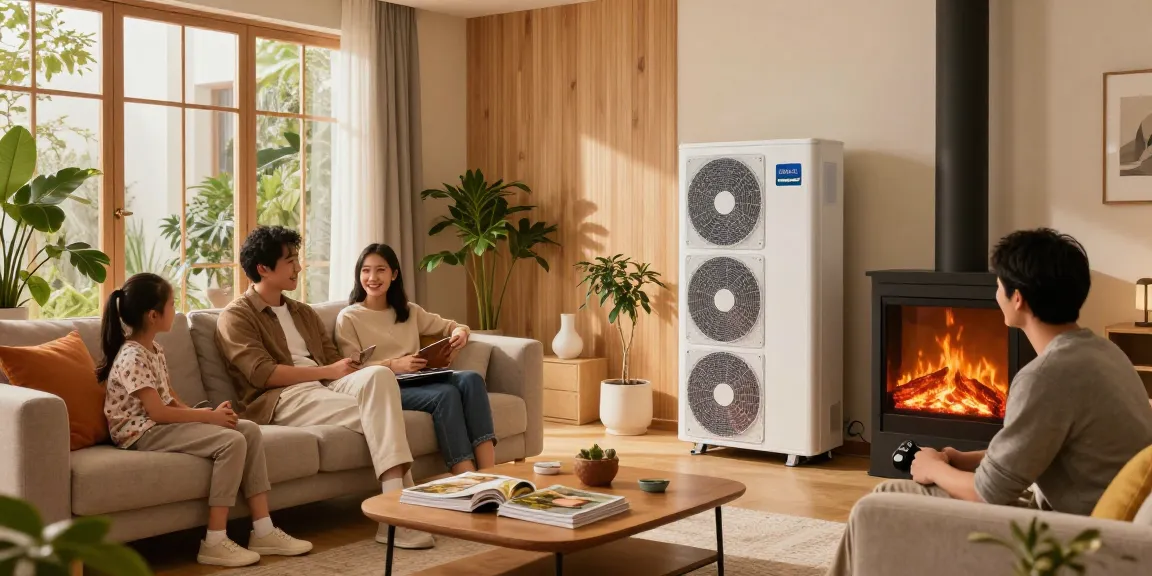
A Wärmepumpe, or heat pump, is a device that extracts heat from one location and transfers it to another. Unlike traditional heating systems that generate heat, heat pumps move heat from the outside air, ground, or water into a building. This process can be highly efficient, often providing three to four times the amount of energy it consumes in electricity.
How Does It Work in Older Homes?
In older homes, the effectiveness of a Wärmepumpe relies heavily on the building’s structural characteristics and insulation quality. Since these homes were often built with lower energy efficiency standards, it can be challenging for a heat pump to maintain a comfortable indoor climate during extreme temperatures. A Wärmepumpe operates best at lower temperatures, typically 30 to 50 °C, making it essential for homeowners to assess existing heating systems and insulation.
Benefits of Using Wärmepumpe in Altbau
- Energy Efficiency: Wärmepumpen can significantly reduce energy consumption, leading to lower heating bills.
- Environmental Impact: By using renewable energy sources, they help minimize greenhouse gas emissions.
- Versatility: Heat pumps can provide both heating and cooling, making them suitable for year-round use.
- Low Maintenance: Compared to traditional heating systems, Wärmepumpen require less maintenance.
Assessing Your Home for Wärmepumpe Suitability
Before installing a Wärmepumpe, it’s crucial to evaluate your home’s suitability for this technology. Factors such as insulation quality, existing heating systems, and the building’s energy efficiency will determine the feasibility of installation. You can find comprehensive insights about this on various educational platforms focused on wärmepumpe im altbau.
Key Factors for Compatibility
Several factors influence whether a Wärmepumpe is a good fit for your older home:
- Insulation Quality: Well-insulated homes retain heat better, allowing the heat pump to work more efficiently.
- Type of Heating System: Existing radiators or floor heating systems can impact the effectiveness of a heat pump.
- Local Climate: Colder climates can challenge heat pump efficiency, depending on the model used.
Conducting a Thermal Load Calculation
Conducting a thermal load calculation is essential for determining how much heating capacity is needed. This calculation considers the size of the home, insulation quality, window efficiency, and local climate conditions. A heating professional can assist with this process, ensuring that the selected Wärmepumpe will meet the home’s heating demands effectively.
Common Challenges Faced by Homeowners
Homeowners may encounter several challenges when considering a Wärmepumpe for an older home:
- High Upfront Costs: The initial investment for a heat pump system can be significant, despite potential long-term savings.
- Installation Complexity: Retrofitting older homes may involve extensive modifications.
- Performance Limitations: Some homes may not be suitable for heat pumps without significant improvements to insulation or existing heating systems.
Installation Options for Wärmepumpe in Altbau
Understanding the various installation options can help homeowners make informed decisions about implementing Wärmepumpen in their older homes. Different types of heat pumps offer unique benefits and might suit different situations.
Types of Wärmepumpen Available
There are primarily three types of Wärmepumpen:
- Air-to-Air Wärmepumpen: These extract heat from the outside air and release it inside the home.
- Geothermal Wärmepumpen: Utilizing the earth’s stable temperatures, these systems are efficient but require more extensive installation work.
- Water-to-Water Wärmepumpen: These extract heat from water sources and can be efficient but depend on the availability of suitable water sources.
Installation Process Overview
The installation of a Wärmepumpe involves several steps:
- Initial assessment and selection of the right heat pump model.
- Performing necessary modifications to ensure the system integrates with existing heating infrastructures.
- Installing the heat pump and connecting it to the home’s heating system.
- Conducting tests to ensure the system operates efficiently.
Working with Professionals: What to Expect
Hiring experienced professionals for the installation of a Wärmepumpe is advisable. They will assess your home’s compatibility, help you select the right system, and ensure proper installation. Expect them to provide guidance on maintenance and operational efficiency to maximize your investment.
Cost Considerations for Wärmepumpe Implementations
The costs associated with installing a Wärmepumpe in an older home vary significantly based on several factors, including the type of pump, home modifications needed, and regional pricing.
Initial Investment vs. Long-Term Savings
While the initial costs of a Wärmepumpe can be daunting—ranging from €8,000 to €20,000 depending on the system and installation requirements—homeowners can expect significant savings on energy bills over time. Many homeowners report a reduction of 30-50% in heating costs compared to traditional systems.
Financing Options and Incentives
To promote the use of renewable energy, various financing options and government incentives are available. Homeowners should explore local grants, low-interest loans, or tax credits designed to reduce the financial burden of transitioning to a Wärmepumpe.
Calculating Total Cost of Ownership
It’s vital to consider not only the upfront costs but also the total cost of ownership, which includes energy savings, maintenance expenses, and potential increases in property value. A comprehensive financial analysis can help you understand the long-term benefits of transitioning to a Wärmepumpe.
Future Trends in Wärmepumpe Technology and Applications
As technology continues to evolve, the future of Wärmepumpen looks promising. Innovations in energy efficiency and integration with smart home systems are particularly noteworthy.
Innovations in Energy Efficiency for 2026
By 2026, advancements in Wärmepumpe technology will likely focus on improving seasonal performance and reducing noise levels. Enhanced systems might utilize AI and machine learning to optimize energy usage based on real-time data.
Integration with Smart Home Systems
Smart home technology is set to revolutionize how we interact with heating systems. The compatibility of Wärmepumpen with smart home networks will allow for better control and efficiency management, adapting to homeowners’ lifestyles.
Predicted Market Growth and Consumer Adoption Rates
The market for Wärmepumpen is projected to grow significantly. Factors driving this trend include rising energy prices, stricter environmental regulations, and an increasing number of homeowners seeking sustainable heating solutions. As awareness of the benefits of Wärmepumpen spreads, consumer adoption rates are likely to increase.
Is a Wärmepumpe Worth It in an Older Home?
Considering the long-term benefits of reduced energy costs, lower environmental impact, and potential increases in property values, a Wärmepumpe can be a worthwhile investment for older homes. However, each household’s unique circumstances must be thoroughly evaluated before making a decision.
What Maintenance Do Wärmepumpen Require?
Maintenance for Wärmepumpen is generally minimal. Regularly scheduled check-ups, cleaning filters, and ensuring that the outdoor unit remains unobstructed are essential practices. Homeowners should consult professionals for annual maintenance checks to ensure optimal performance.
How to Improve Energy Efficiency in Altbau?
Improving energy efficiency in older homes may involve several strategies:
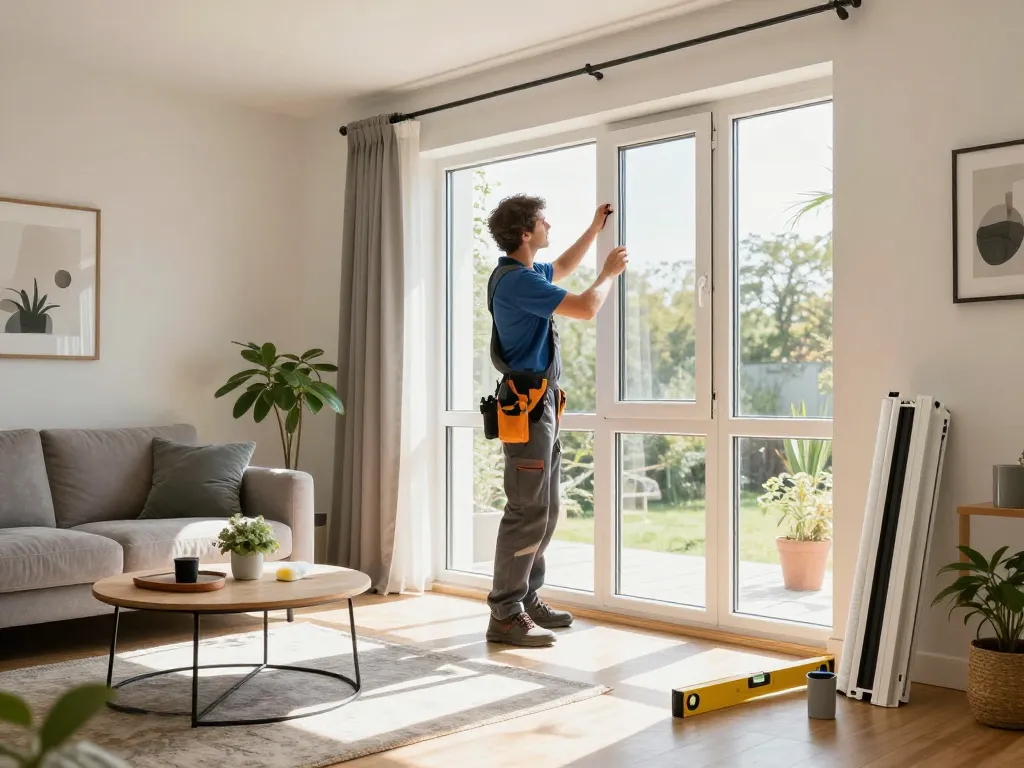
- Enhancing insulation and sealing leaks around doors and windows.
- Upgrading to energy-efficient windows.
- Incorporating smart thermostats for efficient temperature control.
Which Wärmepumpe is Best for Your Home?
The best Wärmepumpe for your home depends on several factors, including the existing heating system, the size of your home, and local climate conditions. Consulting with a professional can help identify the most suitable option for your specific needs.
Can You Combine Wärmepumpe with Other Heating Systems?
Yes, combining a Wärmepumpe with existing heating systems can be beneficial. Many homeowners opt for hybrid systems that integrate traditional boilers with heat pumps to capitalize on the strengths of both technologies, ensuring comfort and efficiency during colder months.