
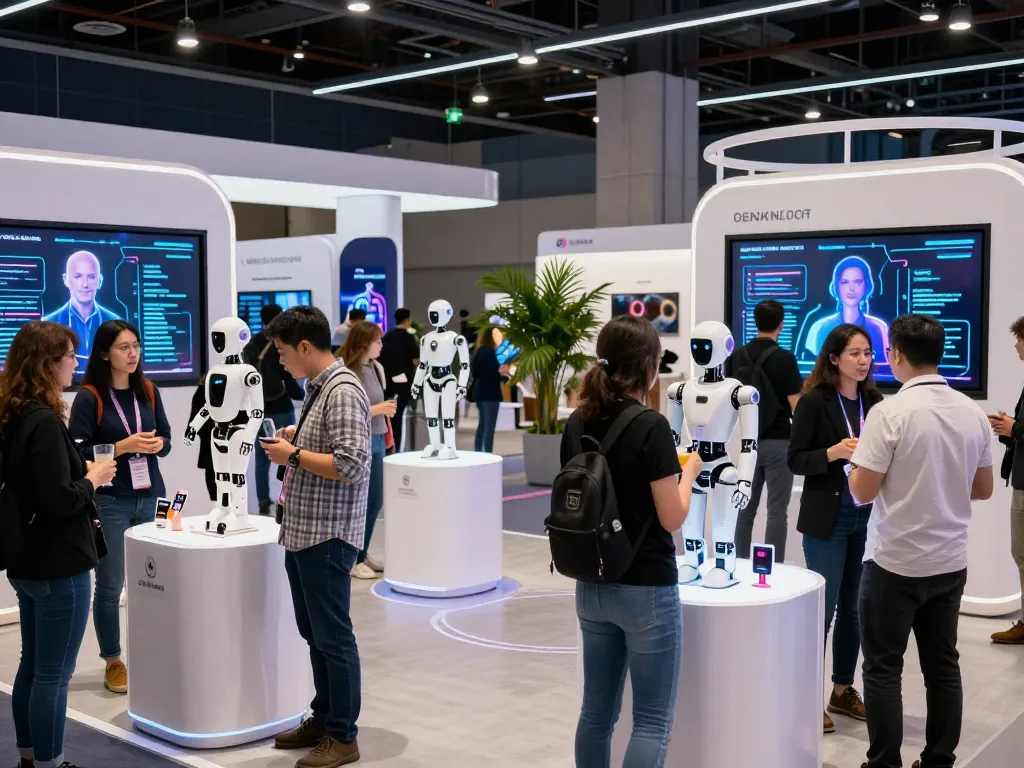
Understanding Sex Bots: An Overview
The realm of human intimacy and technology has begun to intertwine in unprecedented ways, with the advent of sex bot technology paving the way for new forms of companionship. These innovative devices are designed not just for physical gratification, but also to provide emotional connections that some users seek. As the capabilities of these robots expand, so does the conversation surrounding their implications in society. This article will explore the evolution of sex bots, their technological foundations, and the ethical considerations surrounding their use.
What is a Sex Bot?
A sex bot, typically categorized as an anthropomorphic robotic device, is designed to simulate human-like interaction and intimacy. These robots can vary widely in appearance and functionality, often resembling human beings in form and behavior. Unlike traditional sex dolls, which are static and inanimate, sex bots are equipped with advanced technology allowing for movement, speech, and even responses to user emotions.
The Evolution of Sex Bots
The concept of sex bots is not entirely new; however, recent advancements in robotics and artificial intelligence (AI) have accelerated their development. The first iterations of sex robots began to surface in the early 1990s, primarily as high-end sex dolls. Fast forward to the modern age, we see the integration of AI, enabling these devices to learn from interactions and adapt their responses based on user preferences.
Current Trends in the Sex Bot Industry
Today’s sex bot industry is rapidly evolving, with various companies competing to create the most sophisticated models. Innovations include lifelike skin textures, the ability to process complex conversations, and even emotional AI that allows bots to provide comfort and companionship. Market research indicates a growing consumer acceptance of sex bots, attributed to their portrayal in media and changing societal attitudes towards intimacy and technology.
Technology Behind Sex Bots
Artificial Intelligence Fundamentals
At the core of most modern sex bots is a robust artificial intelligence framework. These systems use machine learning algorithms to improve their conversational skills and emotional responses over time. By analyzing user interactions, sex bots can tailor their dialogues and behavior, creating a more personalized experience. Moreover, many sex bots are now equipped with natural language processing (NLP) capabilities, enabling them to understand and respond to a wide range of inputs.
Materials and Simulation Techniques
The physical construction of sex bots is equally pivotal. Manufacturers have developed advanced materials that mimic human skin, enhancing the tactile experience for users. Silicone and thermoplastic elastomers are commonly used for their realistic texture and flexibility. Additionally, the integration of robotics allows for lifelike movements, making these devices appear more animated and responsive during interactions.
Integration of Emotional AI in Sex Bots
Emotional AI represents a groundbreaking frontier in the development of sex bots. By implementing sentiment analysis, sex bots can detect user emotions through voice tone and facial expressions. This capability not only personalizes interactions but also fosters an illusion of understanding and companionship, which many users find appealing. Ultimately, integrating emotional intelligence into sex bots seeks to bridge the gap between mere physical presence and emotional engagement.
Ethical Considerations and Societal Impact
Ethics of AI in Intimacy
The rise of sex bots invites rigorous ethical discourse. Questions surrounding consent, objectification, and the potential for addiction are prevalent. Critics argue that reliance on these devices for emotional satisfaction may inhibit real-world relationships. Proponents, however, contend that sex bots offer alternatives for individuals who may struggle with traditional intimacy, thus serving as a tool for sexual exploration and comfort.
Public Perception of Sex Bots
Public perception of sex bots is evolving as they gain visibility in mainstream culture. Initially viewed with skepticism, they are increasingly recognized as viable companions. Media portrayals often influence societal attitudes towards sex bots, depicting them in various lights from dystopian warnings to positive affirmations of human-robot relationships. Ongoing discussions and debates about their roles in society continue to shape how they are perceived.
Effects on Human Relationships
The implications of introducing sex bots into intimate spaces could be profound. While some argue that these robots could supplant human relationships, reducing emotional connections, others see them as facilitators that may enhance understanding of intimacy. As they gain acceptance, sex bots may redefine the boundaries of companionship, prompting individuals to reassess their relationship with technology and intimacy.
Investing in the Future of Sex Bots
Market Forecasts and Growth Potential
With advancing technology, the sex bot industry is projected to experience significant growth. Market analyses suggest an exponential increase in demand over the next decade. As acceptance of sex bots broadens and their functionalities expand, investments in this sector could yield substantial returns. Companies that innovate and adapt to consumer preferences will likely lead the market trends.
Key Players in the Industry
Several key players have emerged in the sex bot industry, ranging from startups to established manufacturers. Companies like RealDoll and Abyss Creations are pioneering the design of high-end models that emphasize realism and emotional interaction. In contrast, emerging firms focus on affordability and accessibility, creating diverse options for consumers.
Investment Challenges and Opportunities
While the potential for growth in the sex bot market is promising, investors must navigate challenges such as public perception and ethical concerns. Regulatory landscapes vary significantly across regions, impacting market access. However, the growing acceptance offers ripe opportunities for early adopters who can innovate while addressing consumer concerns regarding privacy and ethical usage.
Frequently Asked Questions
Are sex bots legal in my country?
Legal status varies globally, with some countries embracing sex bots while others impose restrictions. It is essential to check local laws related to the purchase and use of sex robots.
What are the safety concerns surrounding sex bots?
Safety concerns primarily involve the potential for data privacy breaches, given that many bots collect user data to enhance their functionality. Manufacturers must prioritize robust security measures to protect user information.
How do sex bots differ from traditional sex dolls?
The primary difference lies in interactivity; while traditional dolls are passive, sex bots are designed for active engagement through conversation and movement.
Can sex bots provide companionship?
Many users report feelings of companionship with sex bots, as these devices can simulate emotional support and social interaction, offering a unique alternative to traditional relationships.
What is the price range for advanced sex bots?
The price of advanced sex bots can range significantly, typically starting around $2,000 and reaching upwards of $20,000, depending on the level of technology and customization.